Understanding the Cost of Craftsmanship in Jewelry


Overview
Jewelry is more than just adornment; it embodies artistry, craftsmanship, and emotional significance. The cost of jewelry is influenced by materials, labor, and design complexity, with bespoke pieces often reflecting personal stories. Sustainable practices are becoming important, affecting pricing. Understanding these factors helps consumers appreciate the value of handmade versus mass-produced items. Investing in quality jewelry signifies a deeper connection and lasting memories, highlighting the importance of craftsmanship in our choices.
Contents
Jewelry has always held a significant place in cultures around the world, weaving stories and emotions into stunning pieces of art that adorn our bodies. The beauty of a letter k necklace silver or the elegance of a pearl necklace goes beyond aesthetics; it encompasses the artistry and labor involved in creating these unique items. But have you ever paused to consider what truly influences the cost of craftsmanship in jewelry? Let’s delve deep into the intricacies of this topic.
The Art of Jewelry Making
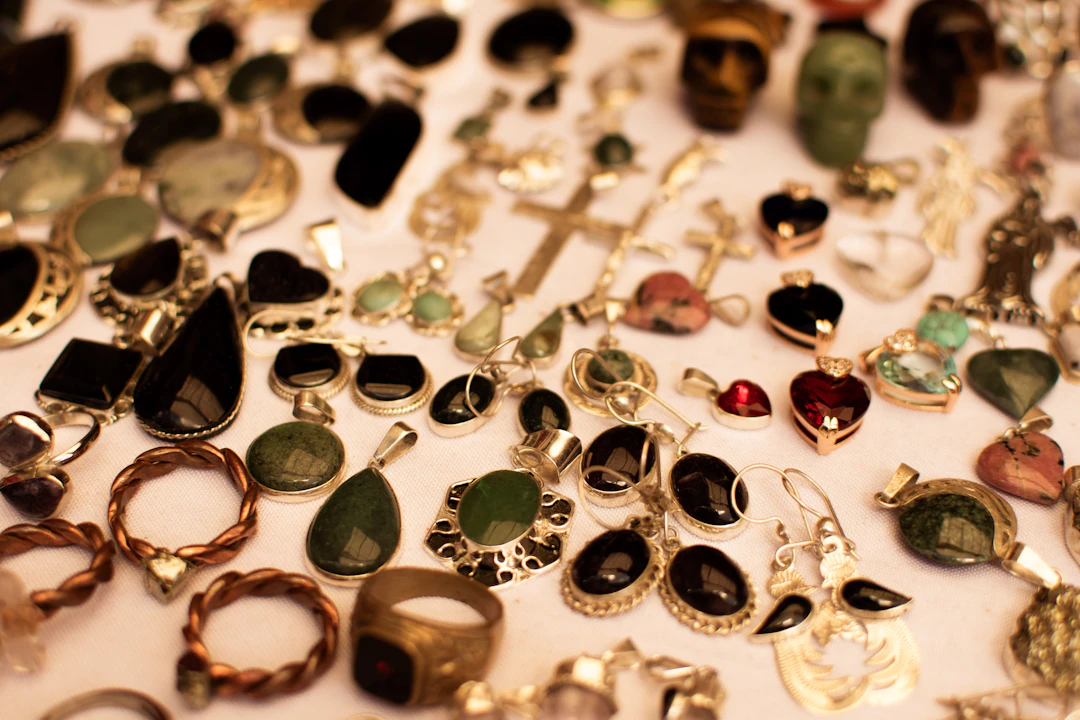
At its core, jewelry making is an art form. It requires a combination of technical skills, creativity, and a keen understanding of design. Jewelry artisans study numerous techniques, from metalworking to beading, which all contribute to the final product. This is particularly vital when crafting intricate pieces such as metal dice or decorative glass bangles.
The Skills Involved
Design Skills: The ability to conceptualize a piece of jewelry is essential. Designers often take inspiration from nature, architecture, or even emotions.
Technical Expertise: Techniques such as soldering, engraving, and stone setting require years of practice.
Material Knowledge: Understanding the properties of different metals and stones can vastly change the production process and, consequently, the cost.
Cost Factors in Jewelry Craftsmanship
When exploring the cost associated with jewelry craftsmanship, we can categorize the factors into various segments. Let’s break these down for clarity.
Materials
The primary component affecting any piece is its materials. High-quality gems, metals, and unique items all play a role in determining the final price. For instance, a simple piece made with lower-grade metals may be significantly cheaper than an exquisite pearl necklace crafted from freshwater pearls and 14k gold.
Moreover, in the realm of jewelry, materials can extend beyond traditional gemstones and metals. As modern designs emerge, items such as resin bangles have become popular. These bangles may look simple, but the craftsperson must consider the quality of resin, the incorporation of colors, and the design elements that enhance their value.
Labor
Craftsmanship is labor-intensive. The amount of time spent on a single piece varies depending on its complexity. A letter k necklace silver might take a few hours to design and fabricate, while custom pieces could span days or even weeks. The level of dedication a jeweler exhibits directly influences the pricing.
Design Complexity
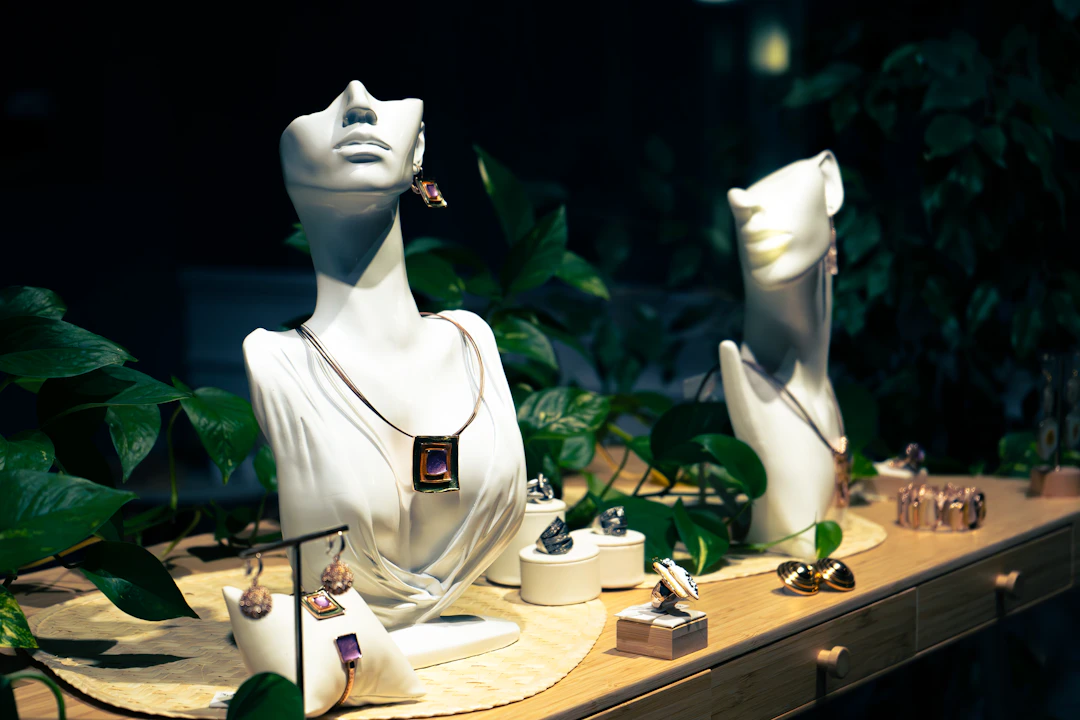
More intricate designs often require advanced skills and longer production times, which consequently increase their costs. For example, consider the difference between a simple and a detailed pendant. The latter may involve sophisticated stone settings, engravings, or mixed metals, all of which demand expert craftsmanship.
Understanding the Value of Bespoke Jewelry
Bespoke or custom jewelry comes with its own set of costs. When you have a piece created specifically for you, you are paying for the individuality and craftsmanship involved. A unique design, whether it’s a luxurious pearl necklace or a quirky pair of glass bangles, can embody personal stories and connections.
Crafting bespoke jewelry also allows for the choice of higher-quality materials, ensuring that the piece can be enjoyed for years to come. By choosing custom designs, you often receive a product that not only reflects your personality but also represents your values towards craftsmanship and sustainability.
The Sustainability Factor
As more consumers become aware of their impact on the environment, the demand for sustainable and ethically sourced materials has surged. Jewelers who prioritize sustainability often have higher labor costs due to their commitment to ethical practices. Thus, investing in ethical jewelry may come with a premium price tag, but it also supports a better future for the planet.
The Economics of Mass Production vs. Handmade Jewelry
In today’s market, you will encounter mass-produced pieces at various price points, appealing to different consumer segments. Often, these affordable options lack the craftsmanship of handmade jewelry.
Mass production can offer lower prices because they utilize:
Automated machines to increase production speed.
Lower-quality materials to reduce costs.
Limited design options, which can diminish uniqueness.
On the other hand, handmade jewelry often emphasizes unique artistry. Each piece tells a story and showcases the artisan’s passion. The skill involved in hand-making does not simply derive from the product itself but from the jewelry maker’s dedication to their craft.
The Emotional Value of Jewelry
Jewelry is often associated with significant life events — from weddings to birthdays, it carries deep emotional ties. As a result, many buyers are willing to invest in exquisite pieces that symbolize these memorable moments. A handcrafted piece, such as a handcrafted letter k necklace silver, isn’t merely a fashion statement; it serves as a reminder of cherished memories.
Gift Giving and Jewelry
When choosing a gift, jewelry often stands out due to its enduring quality and heartfelt sentiment. A pearl necklace, given on a special occasion, can become a treasured heirloom, passed down through generations. This emotional connection enhances perceived value and justifies spending more on craftsmanship.
How to Evaluate Jewelry Costs Effectively
Understanding the costs associated with jewelry allows consumers to make informed decisions. Here are some tips for evaluating the price of a piece accurately:
Research Materials: Always know what materials are used and their value.
Assess Craftsmanship: Look at the overall quality of the piece and details that reflect skilled workmanship.
Understand Brand Value: Recognize that certain brands may charge a premium for their reputation.
Factor in Design Time: Inquire about how long a piece took to create; this can give insight into its cost.
The Future of Jewelry Craftsmanship
As technology progresses, the jewelry industry is witnessing exciting changes. The introduction of 3D printing and digital designs can help streamline processes and lower costs for certain items. However, the value placed on traditional techniques and tailored craftsmanship will always remain. Renowned artisans will continue to thrive as enthusiasts seek uniqueness and stories behind their pieces, such as custom-made resin bangles or intricate metal dice.
Embracing Craftsmanship in Your Choices
Ultimately, understanding the cost of craftsmanship in jewelry helps illuminate the value of what you are investing in. Whether you’re searching for a timeless pearl necklace, a stylish pair of glass bangles, or a personalized piece that speaks to your heart, acknowledging the skills, time, and materials involved in making these items deepens your appreciation.
Consider the stories behind each piece and the journeys that artisans undertake to bring their visions to life. With time, you’ll find that investing in well-crafted jewelry not only elevates your style but also connects you with the remarkable stories and histories woven into every strand, every clasp, and every detail.
Lasting Impressions Through Craftsmanship
In making purchasing decisions, remember, it's not merely about the price tag. It’s about the artistry, love, and dedication that go into creating each unique piece. Such craftsmanship expects to be cherished, not just for its aesthetic value but for the memories, connections, and emotions it encapsulates. Regardless of trends, quality craftsmanship will always hold immense value — investing in something special reflects an appreciation for enduring beauty.
FAQs
What factors influence the cost of jewelry craftsmanship?
The cost of jewelry craftsmanship is influenced by materials, labor, design complexity, and the choice of bespoke options.
Why do handmade jewelry pieces often cost more than mass-produced items?
Handmade jewelry requires more time, skilled craftsmanship, and higher-quality materials, which contribute to its higher cost compared to mass-produced items.
What is the significance of bespoke jewelry?
Bespoke jewelry is unique and reflects personal stories, individuality, and a commitment to quality craftsmanship, often resulting in a higher price.
How does sustainability impact the cost of jewelry?
Sustainability can raise costs due to the use of ethically sourced materials and the commitment to environmentally friendly practices.
What should I consider when evaluating jewelry costs?
When evaluating jewelry costs, consider the materials used, craftsmanship quality, brand reputation, and the time taken to create the piece.

Comments