The Artistry of Identity: Unraveling the Role of Culture in Handcrafted Jewelry


Overview
Jewelry serves as a powerful expression of culture, identity, and artistry, reflecting the rich narratives and traditions of different communities. Handcrafted pieces, from pearl necklaces to resin bangles, not only symbolize personal stories but also connect wearers to their cultural heritage. As global interest in sustainable and meaningful jewelry grows, these unique items foster appreciation for diversity and encourage cultural exchange while supporting artisans and their traditions.
Contents
Jewelry is more than just adornment; it’s a profound expression of culture, values, and individual identity. From ancient traditions to contemporary designs, handcrafted jewelry reflects the intricate relationship between artistry and heritage. In this article, we will explore the multifaceted role of culture in handcrafted jewelry, examining how cultural influences shape designs, materials, and techniques, while highlighting the enduring appeal of unique pieces such as the letter k necklace silver or exquisite pearl necklaces.
The Historical Significance of Jewelry
Throughout history, jewelry has played a significant role in defining social status and personal identity. Cultures around the world have utilized various materials to create jewelry that symbolizes everything from wealth to spirituality. For example, in many indigenous cultures, materials like metal dice and intricate glass bangles signify different rites of passage or community affiliation.
Handcrafted jewelry, in particular, allows artisans to convey their cultural narratives through their work. Each piece tells a story, connecting the wearer to their heritage while also making a statement about who they are in the present day. The use of specific materials and design elements can highlight regional traditions, offering a glimpse into the artistic soul of a culture.
The Influence of Cultural Heritage on Jewelry Design
The intricate motifs and designs found in handcrafted jewelry often reflect the culture's beliefs, symbols, and historical narratives. For instance, the pearl necklace may hold deep oceanic meanings in coastal cultures, whereas designs featuring geometric patterns might represent ancestral lineage in African tribes. Each piece serves as a carrier of cultural stories, imbuing it with personal significance that goes beyond mere aesthetics.
Artisans intentionally incorporate symbols and techniques passed down through generations, allowing them to create pieces that resonate deeply with wearers. Cultural motifs, colors, and even the choice of materials, such as the vibrant hues of resin bangles, play a crucial role in jewelry design, helping to forge a connection between the piece and its cultural origins.
Regional Materials and Techniques
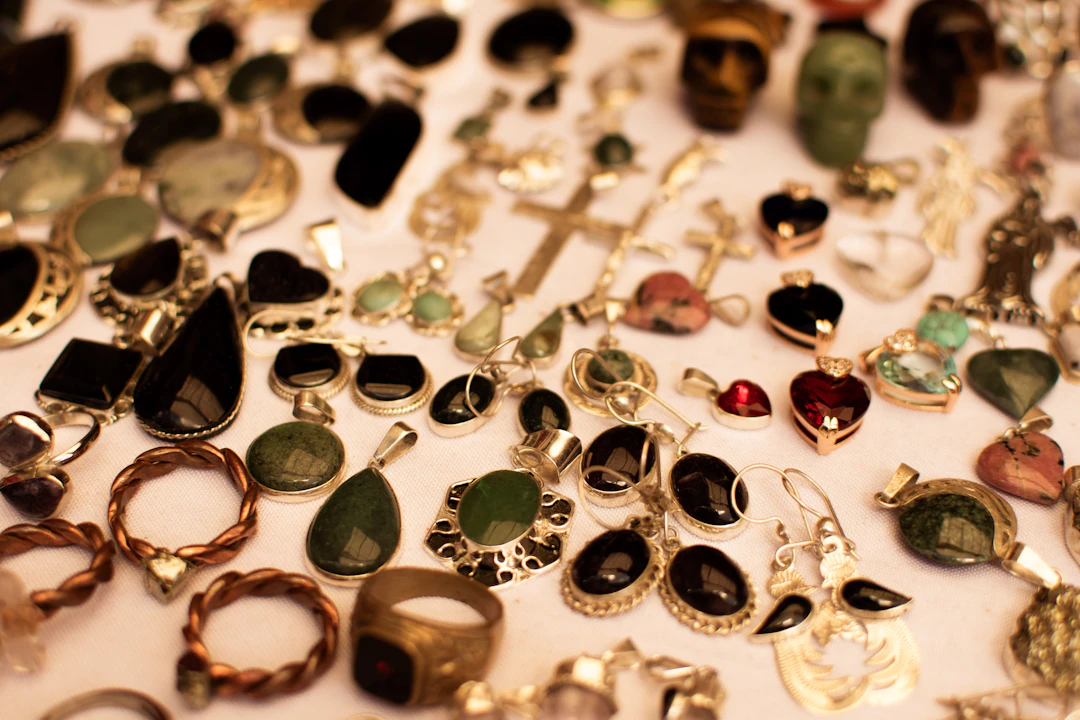
Natural materials serve as vital cornerstones of cultural identity in jewelry making. Different regions boast specific materials they have harvested and adopted historically. For example, artisans in some Southeast Asian countries are renowned for their stunning glass bangles, which are vibrant and signify celebrations and togetherness.
Metal Dice: Used in various cultures, metal dice symbolize chance and fortune. Artisans may die-cast their forms, melding traditional techniques with modern themes.
Resin Bangles: These bright and durable pieces have roots in diverse cultures, often fabricated using local varieties of dyes and additives, which tell the tales of regional artistry.
Furthermore, the handcrafting process itself can be unique to specific cultures. For instance, the method of beadwork or filigree might be exclusive to a region, enhancing not just the artistic value but also the cultural narrative within jewelry. This is why every piece of handcrafted jewelry is a treasure that reflects both the individual artisan's skill and the cultural heritage they represent.
Jewelry as a Means of Self-Expression
In modern times, jewelry has evolved beyond its conventional roles; it has become a powerful medium for self-expression, individualism, and social activism. People use handcrafted pieces to communicate their beliefs, affiliations, and personal stories. A simple letter k necklace silver can be more than just a piece of jewelry; it can serve as a meaningful emblem of identity, connecting the wearer to their initials, names, or a loved one.
This personal connection to jewelry can also inspire individuals to choose handcrafted pieces that resonate with their own cultural backgrounds or experiences. A pearl necklace, for example, might hold familial significance when passed down through generations, embodying both heritage and love.
Jewelry in Celebrations and Rites of Passage
In many cultures, handcrafted jewelry is integral to significant life events—births, marriages, and even memorials. Special pieces, exquisitely designed, often accompany important moments, reinforcing the connections between the individual and their cultural narratives. For instance, in some cultures, the gift of a pearl necklace is a valuable tradition when celebrating a wedding, symbolizing purity and prosperity.
Additionally, jewelry is often crafted specifically for ceremonies and rituals. Each piece holds symbolic meaning tied to the occasion, enhancing its value and sentiment. Handcrafted artisans might even be called upon to create bespoke pieces that honor specific cultural practices, ensuring that traditions remain alive and well through their creations.
The Globalization of Handcrafted Jewelry
With the advent of technology and e-commerce, handcrafted jewelry has gained a global audience. This globalization has created opportunities for artisans to share their cultures with a broader public through their unique crafts. As customers seek meaningful jewelry, diverse styles and stories can now be celebrated on an international level.
Online marketplaces enable artisans to reach customers who appreciate cultural jewelry’s authentic narratives. Today’s consumers are increasingly interested in sustainability, craftsmanship, and unique designs, presenting a splendid opportunity for the handcrafted jewelry industry to flourish. By supporting artisans who create pieces like the letter k necklace silver or metal dice, shoppers can partake in a cultural exchange while promoting the longevity of artisanal traditions.
Reviving Tradition and Promoting Sustainability
Preserving cultural heritage through jewelry making goes hand in hand with sustainable practices. As environmental consciousness grows, many artisans are integrating eco-friendly methods and materials into their craft. Drawing from traditional techniques that often align with sustainable principles, artists are allowing common goods such as resin bangles to find new life in the realm of eco-jewelry.
In many cases, artisans blend modern design sensibilities with these sustainable methods to create beautiful pieces without causing environmental harm. The resurgence of handcrafted jewelry challenges mass production, encouraging consumers to seek unique, ethical alternatives that reflect their values. This focus on sustainability echoes cultural practices centered around minimal waste and resourcefulness.
Discovering Cultural Narratives in Handcrafted Jewelry
Handcrafted jewelry provides a unique opportunity for individuals to embrace diversity and explore various cultural narratives. When individuals wear pieces that originate from different cultures, they not only appreciate the craftsmanship but also learn the stories and traditions behind them. They become active participants in an ongoing conversation about heritage, artistry, and identity.
This appreciation can foster community connections, partnerships between artisans and local organizations, and even revivals of ancient practices that might have been lost. By choosing products like exquisite glass bangles or distinctive metal dice, customers support not just craftsmanship but also the artists’ conversations about meaning and identity.
Embracing Cultural Diversity Through Jewelry
Celebrating diverse cultures through handcrafted jewelry cultivates an environment of acceptance, understanding, and appreciation. Each piece serves as a cultural artifact, providing insight into the societal values of various communities. The blend of creativity and tradition in jewelry design invites consumers and artisans to exchange cultural experiences more intimately.
Encouraging Inclusivity: Diverse influences in jewelry help break down barriers, inviting all individuals to share their stories and heritage.
Cultural Appreciation versus Appropriation: Emphasizing authenticity allows cultures to showcase their customs while educating others respectfully and meaningfully.
Ultimately, handcrafted jewelry embodies rich layers of intention, melding artistry with cultural narratives. By cherishing these pieces, we support the artisans who carry their culture's legacy forward. Whether you're captivated by the simple elegance of a pearl necklace or the flair of vibrant resin bangles, remember: your choice in jewelry is also a choice about culture and identity.
Unlocking the Cultural Treasure Troves
Handcrafted jewelry connects us to our shared human experience, bridging gaps between cultures, traditions, and personal stories. It invites us to explore a world where every piece has a history behind it—a narrative waiting to be discovered. As consumers, let us embrace the artistry of handcrafted jewelry and celebrate the diverse cultures it represents. Let the next time you wear that stunning letter k necklace silver remind you of the rich histories woven into the fabric of jewelry-making traditions across the globe.
FAQs
What is the significance of handcrafted jewelry in relation to culture?
Handcrafted jewelry serves as a profound expression of culture, values, and individual identity, reflecting the intricate relationship between artistry and heritage.
How does cultural heritage influence jewelry design?
Cultural heritage shapes jewelry design through specific motifs, symbols, and materials that carry deep meanings and tell cultural stories.
What role does jewelry play in celebrations and rites of passage?
Jewelry is integral to significant life events like births and marriages, often holding symbolic meanings tied to the occasion and enhancing cultural narratives.
How has globalization impacted the handcrafted jewelry industry?
Globalization has expanded the reach of handcrafted jewelry, allowing artisans to share their cultural narratives with a broader audience through online marketplaces.
In what ways is sustainability incorporated into jewelry making?
Many artisans are integrating eco-friendly methods and materials into their craft, blending traditional techniques with modern design sensibilities to promote sustainability.

Comments