Crafting the Perfect Piece: How to Choose the Right Materials for Your Jewelry


Overview
Choosing the right materials is essential for creating beautiful, durable jewelry. This guide explores various materials like metals, gemstones, resin, and alternative options, discussing their characteristics and how to pair them effectively. It also offers tips for testing materials, finding inspiration, and scaling a jewelry design business. Ultimately, material selection reflects your creativity and style, allowing you to craft meaningful pieces.
Contents
When it comes to creating stunning jewelry that stands the test of time, choosing the right materials is crucial. From the classic elegance of a pearl necklace to the modern flair of glass bangles, the materials you select can make all the difference in the aesthetic and longevity of your pieces. Whether you’re designing for yourself or embarking on a new creative venture, understanding various materials will empower your artistic choices and elevate your jewelry making to new heights.
The Importance of Material Selection
The materials you choose will affect not just the look of your jewelry, but also its durability, comfort, and overall impact. For example, a simple letter k necklace silver may be understated but can achieve an exquisite finish through high-quality silver. Conversely, opting for subpar materials might lead to pieces that tarnish or break easily, disappoint your audience, or simply fail to express your unique style.
Before delving into specific materials, it’s important to first consider what you want from your jewelry. Do you want something lightweight and casual, or do you desire the weighty luxury of gemstone jewelry? How will your choice of materials correlate with the occasion? These questions will guide your selection process.
Types of Jewelry Materials
Here’s a comprehensive look at various jewelry materials to help you make informed decisions:
Metals
Metals are a popular choice for a wide range of jewelry, from pendants to bracelets. Some common metals include:
Gold: Known for its luster and prestige, gold jewelry is available in various purities. Consider whether you want yellow, white, or rose gold—each offers a distinct look.
Silver: Durable and stylish, silver is an excellent choice for both casual and formal pieces. Items like a letter k necklace silver can be completed with various charms or engravings to personalize the design.
Stainless Steel: This metal is celebrated for its resilience and hypoallergenic qualities. Perfect for everyday wear, stainless steel is an ideal option for men’s jewelry or unisex designs.
Brass and Copper: These metals are budget-friendly alternatives that add warmth and uniqueness to your jewelry. They can easily be oxidized for a vintage look.
Gemstones and Pearls
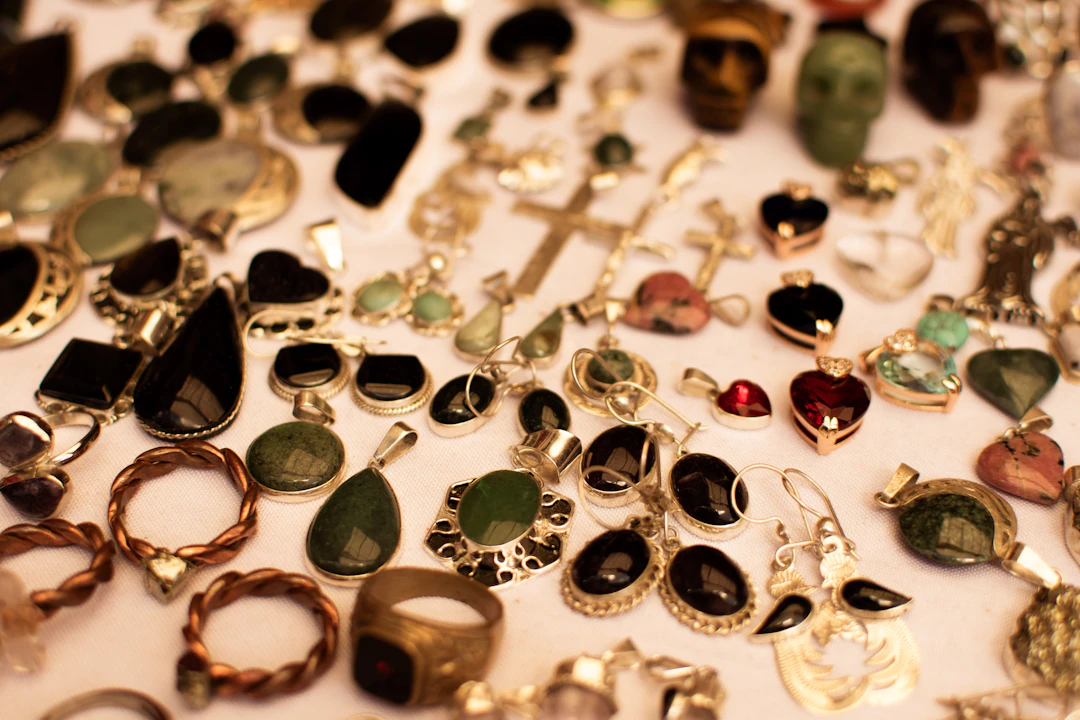
Gemstones add color and sophistication, making them a staple in jewelry design. Additionally, pearls remain a timeless choice that brings elegance to any piece.
Gemstones: Incorporate a variety of gemstones, such as sapphires, rubies, or emeralds, into your designs. These stones are stunning and come in endless colors and cuts to match any style.
Pearls: Whether in a strand form or as accents, a pearl necklace brings a classic charm that's perfect for both casual and formal wear.
Resin
Resin jewelry has made a significant impact on contemporary design. This versatile material allows for customized colors and patterns. You can create beautiful pieces such as:
Resin Bangles: These lightweight, vibrant bangles can be mixed and matched for a playful layered effect.
Embedded Designs: Use resin to encapsulate dried flowers or small charms, giving your jewelry a personal touch.
Glass
Glass has long been a favored choice for jewelry, especially in creating intricate designs and stunning color combinations.
Glass Bangles: Available in a multitude of colors and styles, glass bangles can be used to make bold statements or embellished for a subtle elegance.
Beads and Accents: Incorporate glass beads into your designs, as they offer incredible versatility in terms of shapes and colors, making your jewelry pop.
Alternative Materials
For those interested in eco-friendly practices, consider using alternative materials:
Sustainable Woods: Beautiful and unique, wooden elements can bring a rustic charm to your jewelry.
Leather: Used in bracelets or necklaces, leather provides a casual and trendy look to your creations.
Recycled Materials: Get creative by using recycled items, whether it’s metal from old watches or plastic from bottles, adding an ethical dimension to your artistry.
Tips for Pairing Materials
Once you’ve selected your primary materials, it’s important to consider how they will work together. Here are some tips for achieving a harmonious aesthetic:
Color Coordination: Choose a color palette that complements the materials. For instance, a muted pearl necklace can be beautifully accented with colorful resin or glass elements.
Texture Variation: Mixing different textures adds dimension. Pairing the smoothness of resin with the rugged feel of natural wood creates an eye-catching contrast.
Weight Consideration: Be mindful of the overall weight of your jewelry. If you’re using heavier materials like gemstones, balance them with lightweight elements, such as glass or resin.
Testing Your Materials
Before you commit to a design, test your materials. This might include:
Durability Tests: Make sure the materials can withstand the wear and tear expected during everyday use.
Comfort Tests: Ensure that your chosen materials don’t irritate the skin or cause discomfort when worn for extended periods.
Finding Inspiration
There’s no shortage of inspiration in the world of jewelry design. Explore platforms like Pinterest or Instagram where creators share their unique designs and techniques. Other ways to find inspiration include:
Nature: The colors and textures in the natural world can spark inspiration for color combinations and material choices.
Fashion Trends: Stay updated on current fashion trends to see what materials are popular and how they can be adapted to your style.
Art and Sculpture: Contemporary fine art often inspires jewelry design. Look at various art styles, from minimalism to elaborate patterns, incorporating aspects you love into your jewelry.
Scaling Your Jewelry Design Business
If you’re considering selling your jewelry, understanding your audience is as crucial as material selection. Conduct market research to find out what styles resonate with consumers. Promote unique offerings like a customized letter k necklace silver that personalizes a classic style or create limited-edition lines featuring resin bangles or glass bangles for seasonal appeal.
Additionally, leveraging online platforms such as your Wix store will expose you to a larger customer base. Utilize social media marketing by showcasing your creations and sharing the stories behind your designs to engage potential buyers.
A Journey Beyond Materials
Selecting the right materials for your jewelry isn’t just a technical decision; it’s an art form that reflects your personality, creativity, and vision. By understanding the strengths and weaknesses of each material, from elegant pearl necklaces to playful glass bangles, you can craft pieces that tell a story and resonate with wearers. Embrace this journey as you evolve in your craft, and remember: the magic lies not just in the materials, but in the love and creativity you pour into your designs.
FAQs
Why is material selection important in jewelry making?
Material selection affects the look, durability, comfort, and overall impact of your jewelry.
What are some common metals used in jewelry?
Common metals include gold, silver, stainless steel, brass, and copper.
How can gemstones enhance jewelry designs?
Gemstones add color and sophistication, offering endless options in colors and cuts to match any style.
What are alternative materials to consider for eco-friendly jewelry?
Alternative materials include sustainable woods, leather, and recycled items.
What tips can help in pairing different jewelry materials?
Consider color coordination, texture variation, and weight consideration to achieve a harmonious aesthetic.

Comments