Jewelry Pricing Secrets: Crafting the Perfect Price for Your Handcrafted Treasures


Overview
Setting the right price for handcrafted jewelry is crucial for success. Key steps include understanding your costs (materials, labor, overhead), researching the market for competitor pricing, developing pricing strategies (cost-plus, value-based, psychological pricing), evaluating your unique selling proposition, adjusting prices for different markets, and periodically reviewing your pricing. Effective communication and building customer relationships are also essential to justify your prices and enhance loyalty.
Contents
Setting the right price for your handcrafted jewelry is one of the most critical aspects of running a successful jewelry business. Whether you create stunning letter k necklace silver pieces, elegant pearl necklaces, or unique resin bangles, understanding how to price your creations accurately will not only enhance your profit margins but also help you communicate the value of your artistry to customers. In this comprehensive guide, we’ll explore essential strategies for pricing your handcrafted jewelry, ensuring you strike the perfect balance between affordability and profitability.
1. Understanding Your Costs
The first step in determining the price of your handcrafted jewelry is understanding the costs involved in creating each piece. This includes:
Materials: Calculate the cost of all materials used, from metals for your metal dice to beads for your glass bangles.
Labor: Time is money. Decide what your time is worth and factor that into your pricing.
Overhead: Include any business-related costs such as rent, utilities, packaging, and marketing.
By comprehensively evaluating these costs, you can establish a solid foundation for your pricing strategy. Remember that underpricing your jewelry can diminish perceived value, which can hinder not only your profit but also your brand reputation.
2. Researching the Market
A crucial step in pricing your handcrafted jewelry is analyzing the market. Start by examining similar products made by other artisans. Pay attention to:
Competitor Pricing: Look at prices for similar items, such as letter k necklace silver designs or pearl necklaces. This will give you a benchmark.
Quality vs. Price: Consider the quality, uniqueness, and craftsmanship of your pieces compared to your competitors.
Target Audience: Determine the purchasing power of your target audience. Are you targeting luxury buyers or budget-conscious shoppers?
This market research will help you to set competitive prices that will attract customers while still valuing your craft appropriately.
3. Pricing Strategies
Once you have a good understanding of your costs and market, it’s time to develop a pricing strategy. Below are some effective strategies to consider:
Cost-Plus Pricing
This straightforward method involves adding a markup to your total cost. For example, if your total cost of a glass bangles piece is $25 and you decide on a 50% markup, you would price it at $37.50. This method is simple and ensures all costs are covered.
Value-Based Pricing
Instead of focusing solely on cost, value-based pricing emphasizes the perceived value of your jewelry. If customers see your resin bangles as uniquely artistic or trendy, they may be willing to pay a higher price. To effectively employ this strategy, it's essential to communicate the value through your marketing efforts.
Psycho-Logical Pricing
This approach leverages psychological tactics. For instance, pricing an item at $49.99 instead of $50 can create the perception of a better deal. Pricing your pearl necklaces strategically can influence purchasing decisions.
4. Evaluating Your Unique Selling Proposition (USP)
What sets your jewelry apart from others? Your unique selling proposition (USP) can help justify a higher price point. Consider aspects like:
Uniqueness: If you create pieces that are one of a kind, emphasize this in your pricing strategy.
Craftsmanship: Showcase your skills and the meticulous processes involved in your work.
Storytelling: Perhaps your designs are inspired by personal experiences. Share these stories to connect with your audience.
Highlighting your USP not only supports pricing but also enhances engagement across your marketing channels.
5. Pricing Your Jewelry for Different Markets
Consider the different markets you may be targeting. Craft leads to art fairs, online sales, or high-end boutiques often call for varied approaches to pricing. Some strategies include:
Online Sales: Pay attention to shipping costs and online platform fees when pricing your jewelry for e-commerce.
Retail Markup: If selling to boutiques, make sure to account for retail markups, which can range from 50% to 100%.
Wholesale Discounts: If you plan to sell wholesale, discount your prices significantly to encourage bulk purchases while ensuring your base price covers costs.
6. Periodically Review Your Pricing
The jewelry market is constantly evolving. To maintain profitability, periodically review and adjust your pricing strategy based on:
Material Costs: Fluctuations in material costs should prompt a review of your prices.
Demand: High demand for specific trends or styles, like your metal dice creations, could allow for price increases.
Sales Performance: Analyze which pieces perform best and decide if pricing adjustments are needed based on their selling rate.
By staying flexible and informed, you’ll ensure your prices remain aligned with market conditions and consumer expectations.
7. Communicating Your Prices Effectively
Once you establish your pricing strategy, how you communicate your prices can influence customer perceptions. Here are some tips:
Transparency: Be open about your pricing, explaining the craftsmanship and materials involved.
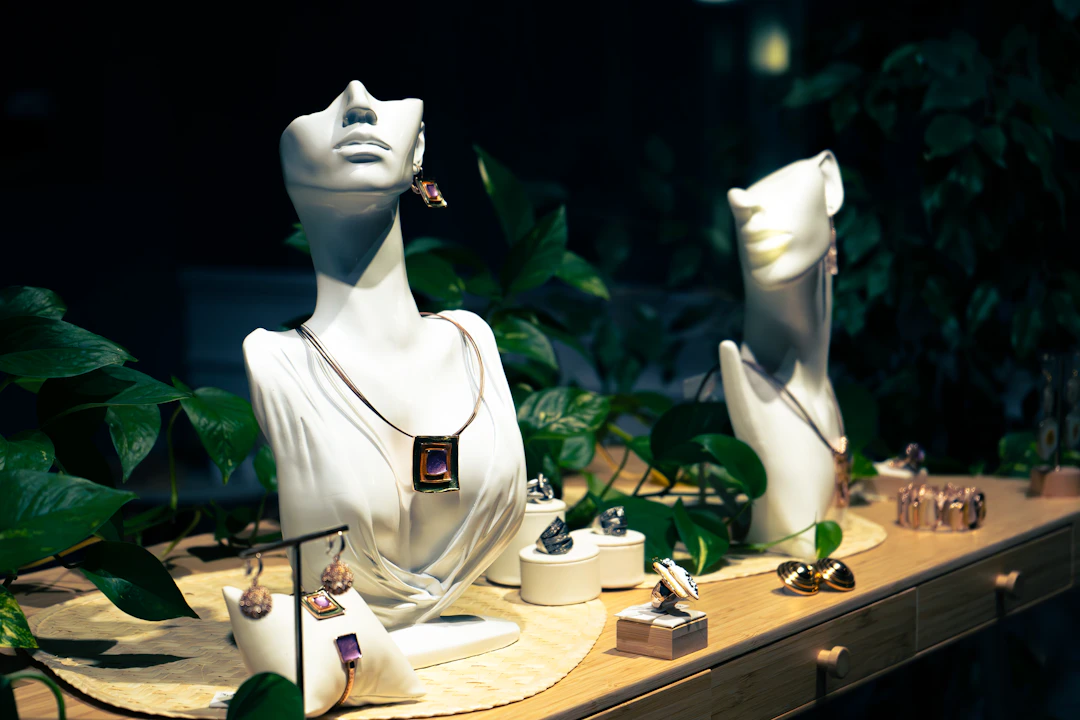
Visual Appeal: Present your letter k necklace silver or other creations with high-quality images that reflect their value.
Engagement: Use social media to engage with your audience, discussing the stories and processes behind your pieces to justify your prices.
8. Building Customer Relationships
Pricing shouldn’t only focus on monetary aspects; fostering relationships with your customers can lead to greater loyalty, even in pricing.
Customer Feedback: Solicit feedback on your pricing from customers. Understanding their perspectives can provide insight into your pricing strategy's effectiveness.
Inclusive Offers: Consider creating loyalty programs or discounts for repeat customers to build long-term relationships.
Personal Touch: Handwritten thank-you notes or exclusive previews of new designs can create rapport and justify your pricing.
Fancy a Final Word!
Finding the perfect pricing balance for your handcrafted jewelry can seem daunting. However, by taking the time to understand your costs, research the market, and define your unique value proposition, you're well on your way to establishing a pricing strategy that benefits both you and your customers. Always remember that effective communication and relationship-building play critical roles in your pricing endeavors. Embrace the journey, and may your handcrafted treasures shine brightly on the marketplace!
FAQs
What factors should I consider when pricing my handcrafted jewelry?
You should consider materials, labor, overhead costs, competitor pricing, and your unique selling proposition.
What are some effective pricing strategies for handcrafted jewelry?
Some effective strategies include cost-plus pricing, value-based pricing, and psychological pricing.
How can I evaluate and support my unique selling proposition (USP) in pricing?
Highlight the uniqueness, craftsmanship, and personal stories behind your jewelry to justify a higher price point.
Why is it important to periodically review my pricing?
Periodic reviews help ensure your pricing remains aligned with fluctuating material costs, market demand, and sales performance.
What are some tips for communicating my prices effectively to customers?
Be transparent about your pricing, use high-quality images, and engage with customers through social media to justify your prices.

Comments