The Fascinating Evolution of Jewelry Styles Through History


Overview
Jewelry has evolved significantly from ancient times to the modern era, reflecting cultural shifts and individual expression. Key periods include ancient civilizations with spiritual adornments, classical antiquity's intricate designs, the Middle Ages' religious symbolism, the Renaissance's artistry, the Industrial Revolution's accessibility, and the modern focus on sustainability and personalization. Today, technology and social media are shaping new styles, emphasizing customization and ethical practices, while still honoring the rich history of jewelry.
Contents
Jewelry has always been an integral part of human culture, serving various purposes throughout different eras. From ancient civilization adornments to modern minimalist designs, the evolution of jewelry styles reflects not only individual taste but also significant cultural shifts over time. This article delves into the fascinating journey of jewelry styles throughout history, highlighting key developments and trends that have shaped the pieces we wear today.
The Ancient Beginnings
Jewelry can be traced back thousands of years, with early examples found in ancient Egypt, Mesopotamia, and the Indus Valley. The Egyptians, for example, used gold, silver, precious stones, and beads made from materials like clay and wood. These pieces were often imbued with spiritual significance, believed to offer protection or favor from the gods.
One of the most iconic pieces from ancient Egypt is the pearl necklace. Pearls were seen as symbols of purity and beauty, and their allure led to their use in royal adornments. The craftsmanship of this era laid the groundwork for the elaborate styles seen in later periods.
Classical Antiquity: Greek and Roman Jewelry
As we move forward to classical antiquity, the Greeks and Romans expanded the scope and design of jewelry. The Greeks favored intricate designs that mirrored their admiration for art and nature. They often crafted pieces adorned with filigree and precious stones, celebrating the beauty of nature in their creations.
The Romans embraced a more ostentatious style, leading the way with elaborate goldwork. Their use of gemstones was extravagant, featuring pieces like metal dice that were not just statement accessories but also game pieces symbolizing fortune and risk. The Romans also popularized the use of brooches and earrings, paving the way for many styles we continue to see today.
Middle Ages: Ornamentation and Religious Symbolism
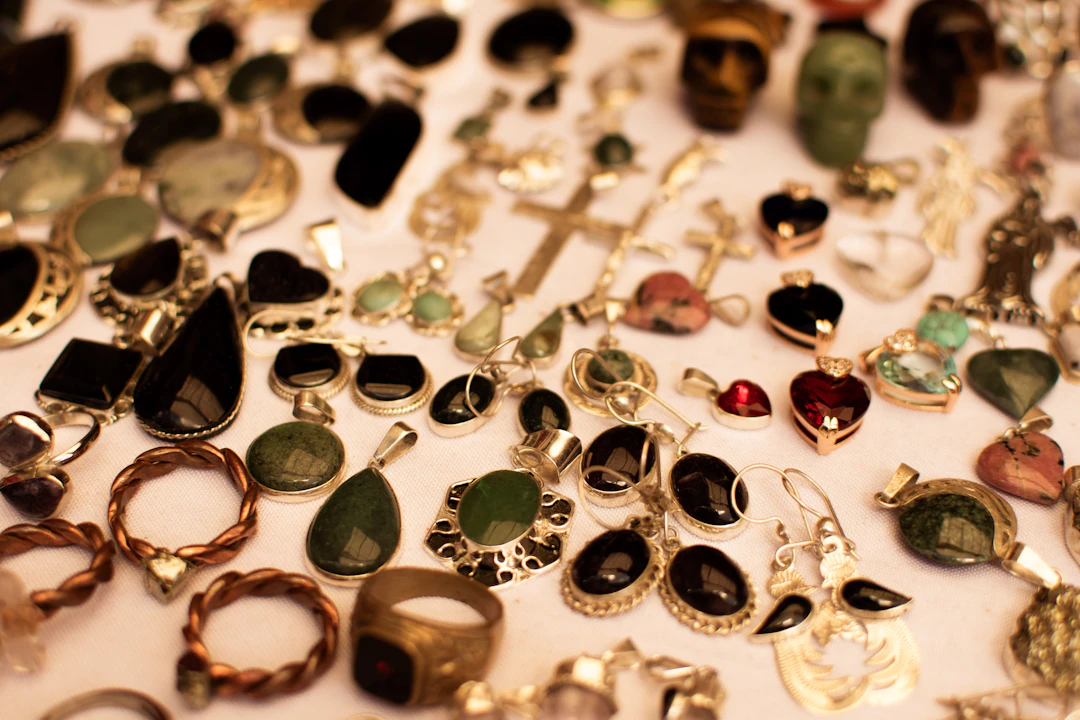
During the Middle Ages, jewelry became closely tied to religious symbolism. Crosses, saints, and other religious motifs were common, often embedded with precious stones. This period also saw the rise of intricate enamel work, which was used to add vibrant colors to pieces.
Jewelry from this era was often a sign of social status, with only the wealthy being able to afford elaborate pieces. Among the various ornaments, the pearl necklace re-emerged as a popular item, symbolizing grace and sophistication. The religious undertones and the depiction of wealth through jewelry became a lasting trend in European history.
The Renaissance: Artistry and Individual Expression
The Renaissance sparked a revival of interest in art, science, and the individual, leading to remarkable innovations in jewelry design. This period emphasized intricate craftsmanship and personal expression. Goldsmiths began creating detailed pieces with rich symbolism, from mythological figures to ornate floral designs.
During this time, glass bangles made their debut, inspired by the revival of classical themes. These colorful accessories offered an affordable means for people to express their style exuberantly. The Renaissance era set the stage for personal adornment as a form of storytelling, a theme that resonates with modern jewelry.
The Industrial Revolution: Accessibility and Innovation
The Industrial Revolution brought about significant changes in various industries, including jewelry manufacturing. The introduction of machinery allowed for the mass production of jewelry, making it accessible to a wider audience. No longer relegated solely to the elite, individuals from all walks of life could indulge in ornate ornaments.
This period saw the introduction of new materials and manufacturing techniques. For instance, resin bangles gained popularity due to their vibrant designs and affordability. People began to experiment with different combinations of materials, leading to a burst of creative expression within the jewelry sector.
The Roaring Twenties: Glamour and New Styles
The Roaring Twenties marked a departure from the previous ornate styles, as individuals sought to embrace modernity through simplicity and elegance. The Art Deco movement became a defining feature of this era, characterized by geometric patterns and luxurious materials.
Jewelry during this time was influenced by new design techniques and materials, with bold statements being the standard. The letter k necklace silver was one of the popular trends among women who sought personalized adornment. These custom pieces symbolized individuality, playing into the growing cultural emphasis on self-expression.
The Mid-20th Century: A Blend of Tradition and Modernism
The mid-20th century witnessed a tug-of-war between traditional craftsmanship and modernism. Designers began to blend older techniques with contemporary aesthetics, resulting in a range of styles that appealed to a diverse audience. The introduction of celebrity culture also played a significant role in shaping jewelry trends.
Jewelry pieces became synonymous with style icons, and collections were frequently launched in homage to famous figures. Women’s jewelry moved toward more simplified designs, such as streamlined brooches and understated pearl necklaces, reflecting the minimalist movement that began to take hold.
The Digital Age: Technology Meets Creativity
In the last couple of decades, technology has dramatically shifted the landscape of jewelry design and manufacturing. From 3D printing to digital design tools, artists can now experiment in ways that were previously unimaginable. This technological revolution has inspired a new wave of creativity, leading to eclectic styles that blend various influences.
Social media has also emerged as a significant factor in jewelry trends, allowing small artisans to showcase their work to a global audience. Custom pieces, such as those featuring metal dice or unique glass bangles, can be easily shared, allowing consumers to connect directly with artisans. This level of interaction is transforming the way we understand and appreciate jewelry today.
The Modern Era: Sustainability and Personalization
As consumers become more conscientious about their purchasing decisions, the modern era of jewelry is characterized by an emphasis on sustainability and ethical production. Many brands now prioritize using recycled materials, creating pieces that are both stylish and eco-friendly.
Customization remains a prevalent trend, with consumers desiring personalized touches in their jewelry. The letter k necklace silver remains a popular choice for those seeking individuality, allowing wearers to express themselves in a unique way. Similarly, the combination of traditional craftsmanship and modern techniques has led to an explosion of creativity in designs.
Where Are We Headed? The Future of Jewelry Styles
Looking ahead, the future of jewelry styles appears more promising than ever. The intersection of technology, sustainability, and art will likely continue to shape how jewelry is made and worn. As we embrace innovation, it’s essential to remember the rich history that has brought us to this point.
The evolution of jewelry styles from ancient times to modern-day illustrates both cultural shifts and individual expression. With every new piece, we weave our unique stories into the tapestry of history. Whether it's a timeless pearl necklace or a bold resin bangle, each accessory reflects the essence of who we are and the era we inhabit.
Embracing the Future of Jewelry
As you explore the alluring world of jewelry, consider not just the current trends but also the rich history that accompanies every piece. Whether you prefer classic adornments or modern interpretations, remember that jewelry is more than just decoration; it's a testament to our personal stories, cultural identities, and the creativity that unites us across generations.
FAQs
What is the significance of jewelry in human culture throughout history?
Jewelry has served various purposes across different eras, reflecting individual taste and significant cultural shifts. It plays a role in personal adornment and often embodies spiritual or social meanings.
What were some jewelry styles used in ancient civilizations?
Ancient civilizations like Egypt, Mesopotamia, and the Indus Valley used materials such as gold, silver, and precious stones to create pieces that held spiritual significance and showcased artistry.
How did jewelry design evolve during the Renaissance?
The Renaissance emphasized intricate craftsmanship and personal expression in jewelry design. Artisans created detailed pieces with rich symbolism, allowing individuals to showcase their unique styles.
What impact did the Industrial Revolution have on jewelry accessibility?
The Industrial Revolution led to the mass production of jewelry, making it accessible to a wider audience, as new manufacturing techniques allowed for more affordable and diverse designs.
What trends characterize the modern era of jewelry design?
The modern era emphasizes sustainability, ethical production, and personalization. Consumers seek unique pieces that reflect individual identity, and many brands focus on using recycled materials.

Comments