Sparkling Sustainability: Explore the Green Revolution in Handcrafted Jewelry


Overview
Explore the world of sustainable handcrafted jewelry, where artisans create beautiful, eco-friendly pieces using ethically sourced and recycled materials. Learn about the characteristics of sustainable jewelry, the importance of supporting local artisans, and the growing trend of upcycled designs. Invest in unique, quality pieces that not only enhance your style but also contribute to a greener future.
Contents
Welcome to the world of handcrafted jewelry, where elegance meets eco-consciousness! As the demand for sustainable and ethically sourced products increases, artisans and jewelry designers are stepping up their game to create beautiful pieces that not only shine but also respect the planet.
In this blog post, we will take a closer look at sustainable practices in handcrafted jewelry, explore how various materials contribute to the cause, and highlight some exemplary products that embody these principles. Join us on this journey to discover how sustainability is redefining the jewelry industry!
The Importance of Sustainable Jewelry
Jewelry has been an integral part of human culture for thousands of years. However, the environmental impact of the jewelry industry has led to a growing need for change. Traditional methods of sourcing materials often lead to environmental degradation, exploitation of labor, and unsustainable practices. By embracing sustainable practices, artisans can contribute to a cleaner environment, respect local communities, and offer consumers ethical options.
Characteristics of Sustainable Handcrafted Jewelry
Sustainable handcrafted jewelry is distinguished by several key characteristics:
Ethical Sourcing: Materials are sourced responsibly, ensuring fair treatment of workers and minimal environmental impact.
Recycled Materials: Jewelry makers often use recycled metals and materials, including silver and gold, to reduce waste.
Eco-friendly Techniques: Artisans employ methods that minimize energy consumption and harmful waste.
Longevity: Handcrafted pieces are designed to last, encouraging consumers to buy less and invest in quality over quantity.
Local Sourcing: Supporting local artisans and using locally sourced materials reduces the carbon footprint associated with transportation.
Materials that Promote Sustainability
In the handcrafted jewelry realm, sustainable practices often begin with the choice of materials. Here are some popular sustainable choices for jewelry making:
Recycled Metals
Using recycled silver and gold not only helps reduce the need for mining new materials but also decreases the energy required in the production process. Artisans who craft stunning pieces, such as a stylish letter k necklace silver, can do so with recycled metal, promoting sustainability while offering unique, personal touches to each design.
Natural Gemstones
Natural gemstones that are ethically sourced or reclaimed have a significantly lower environmental impact than their mined counterparts. Choosing semi-precious stones with a transparent supply chain can be an excellent choice for consumers seeking eco-friendly alternatives. From beautiful lapis lazuli to ethically sourced aquamarine, natural gemstones can add elegance to any piece, whether it’s a delicate pearl necklace or a stunning statement ring.
Organic and Plant-based Materials
Jewelry made from materials like wood, bamboo, and seeds showcases the beauty of nature while also promoting sustainability. For example, handcrafted pieces using organic materials can minimize the industry's carbon footprint and funnel support into sustainable forestry efforts. When accessorizing with glass bangles or resin bangles, you can feel confident knowing these pieces contribute to environmental well-being.
Recycled Glass
One innovative approach in sustainable jewelry is the use of recycled glass. By transforming discarded glass into vibrant jewelry, artisans can reduce waste and create unique, eye-catching pieces. The variety of colors and textures available in recycled glass provides endless creative possibilities for handcrafted designs.
Crafting Handcrafted Jewelry with a Purpose
Handcrafted jewelry goes beyond design; it carries the artisan's story, from the materials used to the creation process. Some artisans choose to incorporate messages of empowerment through the themes of their collections. By aligning their work with social causes, they encourage consumers to reflect on their buying choices. Here are some ways that handcrafted artisans contribute to sustainability:
Transparency: Artisans often share the story behind each piece, including where the materials come from and the creative process.
Collaboration with Local Artisans: Many jewelers partner with local craftsmen and women to support community development.
Ecological Initiatives: Some artisans donate a portion of their profits to ecological projects, further amplifying their positive impact.
Supporting Sustainable Jewelry Brands
As consumer demand for sustainable and eco-friendly jewelry rises, many brands are making a mark by showcasing their commitment to the environment. When shopping for handcrafted pieces like elegant metal dice jewelry or unique bangles, consider supporting brands that prioritize sustainability. Look for certifications or statements about their production methods and material sourcing.
Finding Your Favorite Sustainable Brands
While browsing for sustainable handcrafted pieces, here are some tips to help you identify the best brands:
Read Reviews: Customer reviews can provide insight into the brand’s commitment to sustainability and the quality of their products.
Seek Certifications: Look for brands that have certifications or missions focused on ethical practices.
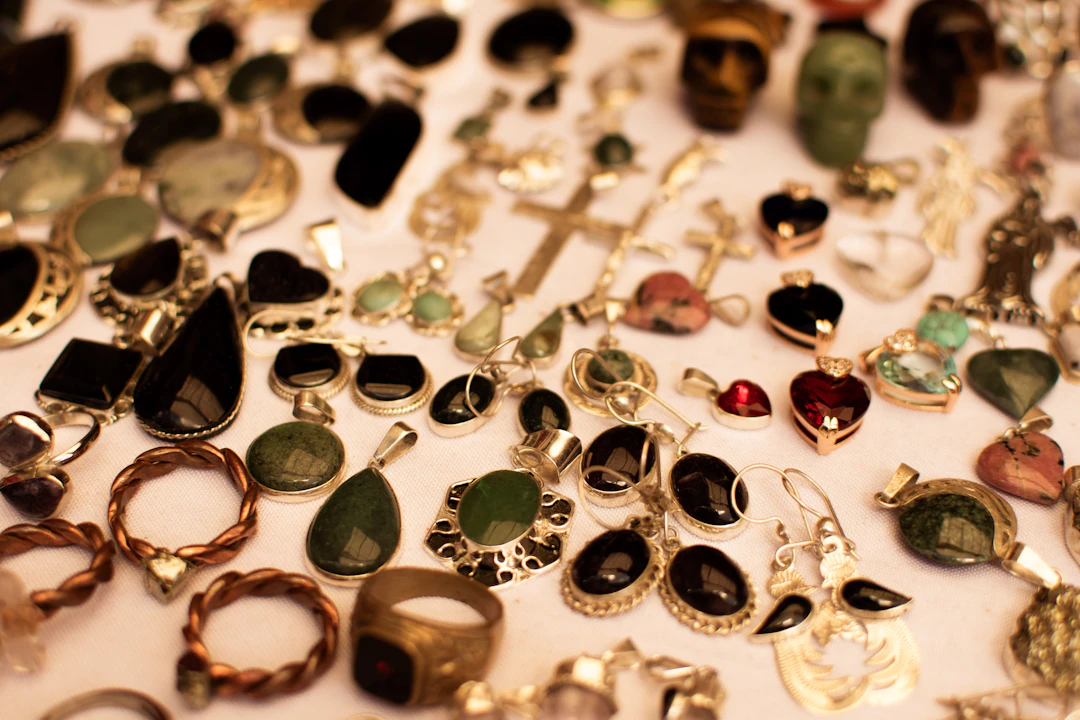
Explore Artisan Markets: Attending local artisan markets is an excellent way to discover new, sustainable jewelry designers.
Follow Artisan Stories: Many artisans share their journeys on social media; this can give you a deeper understanding of their values.
Eco-Friendly Packaging and Shipping Practices
In addition to using sustainable materials, brands are increasingly focusing on eco-friendly packaging and shipping methods. This includes using biodegradable packaging, reducing plastic waste, and optimizing shipping routes to reduce carbon footprints. Every aspect of sustainability matters, and even the smallest changes can significantly impact the environment.
The Future of Sustainable Jewelry
The movement towards sustainable practice in the jewelry industry is rapidly gaining traction. Innovations in technology and shifts in consumer preferences are driving change at unprecedented rates. As more customers demand eco-friendly and ethical practices, brands must adapt or face falling behind.
One of the exciting trends is the rise of upcycled jewelry, where discarded materials are transformed into stunning new pieces. Consumers are increasingly enchanted by the creativity that goes into taking something once considered waste and turning it into a work of art. This trend aligns perfectly with the values of sustainability and individuality that many people cherish.
Why You Should Invest in Sustainable Handcrafted Jewelry
Investing in sustainable handcrafted jewelry aligns with values of consciousness and responsibility, making it a compelling choice for aspiring eco-warriors out there. Here are a few reasons why it’s worth investing in handcrafted pieces:
Uniqueness: Handcrafted jewelry is typically one-of-a-kind or produced in limited quantities, ensuring you own a piece that truly represents your style.
Supporting Artisans: By purchasing sustainable jewelry, you are directly supporting artisans and the local economy, giving back to communities.
Lasting Quality: High-quality, handcrafted pieces are built to last, reducing the need for frequent replacements.
Conversation Starters: Sustainable jewelry often has intriguing stories behind its creation, sparking interesting conversations with others.
Join the Sustainable Jewelry Movement!
The handcrafted jewelry sector is undergoing a breathtaking transformation as more artisans embrace the values of sustainability and ethics. By educating ourselves about the intricate connections between our purchases and their impact on the world, we can support artisans who understand the value of our planet and its resources.
So the next time you’re on the hunt for a unique piece of jewelry, consider exploring the options in sustainable handcrafted designs. From delicate glass bangles to chic resin bangles and exquisite pieces featuring letter k necklace silver styles, remember that each piece you select carries not just beauty, but also a commitment to a greener future.
Your choices matter, and as you adorn yourself with stunning handcrafted jewelry, let it be a reminder of the beauty of sustainability and the stories behind each piece. Sparkle with purpose, and join the sustainable revolution in the world of jewelry today!
FAQs
What is sustainable handcrafted jewelry?
Sustainable handcrafted jewelry is made using ethically sourced materials, often recycled, and focuses on eco-friendly techniques to minimize environmental impact while supporting local artisans.
Why is sustainability important in the jewelry industry?
Sustainability is important in the jewelry industry because traditional sourcing methods can lead to environmental degradation and exploitation of labor. Sustainable practices help create a cleaner environment and offer ethical options to consumers.
What materials are commonly used in sustainable jewelry?
Common materials in sustainable jewelry include recycled metals, ethically sourced natural gemstones, and organic materials like wood and bamboo, as well as recycled glass.
How can consumers identify sustainable jewelry brands?
Consumers can identify sustainable jewelry brands by reading reviews, looking for certifications focused on ethical practices, exploring artisan markets, and following artisans' stories on social media.
What are the benefits of investing in sustainable handcrafted jewelry?
Investing in sustainable handcrafted jewelry offers uniqueness, supports artisans and local economies, provides lasting quality, and often comes with intriguing stories that spark conversations.

Comments