The Timeless Allure: Tracing the History and Evolution of Handcrafted Jewelry


Overview
Jewelry has a rich history dating back to 25,000 BC, evolving from primitive ornaments to intricate handcrafted pieces. This blog explores the cultural significance of jewelry, the craftsmanship involved, and the modern revival of sustainable practices. With the rise of digital platforms, artisans can showcase unique designs that prioritize ethical sourcing and storytelling. Handcrafted jewelry not only offers individuality but also supports local artisans, making it a meaningful choice in today's fast-paced world.
Contents
Jewelry has been a part of human civilization for thousands of years. From ancient artifacts to contemporary designs, the story of handcrafted jewelry is rich and multifaceted. This blog delves into the history and evolution of handmade jewelry, exploring its cultural significance and showcasing how it continues to captivate hearts today.
The Origins of Jewelry: A Journey Through Time
The roots of jewelry can be traced back to around 25,000 BC, during the Upper Paleolithic period. Archaeologists have discovered various materials used to create early accessories, including shells, bones, and stones. These primitive ornaments were used not just for adornment but often held spiritual significance and were possibly used as a form of currency.
The earliest handcrafted jewelry pieces were likely necklaces, made from natural materials found in the environment. For example, the discovery of pearl necklaces suggests that even at this early stage, humans were drawn to the beauty and elegance of nature. Pearls, being organic, were among the first gemstones that could be easily collected and worn.
The Rise of Metals: From Bronze to Gold
As metallurgy advanced, especially with the advent of the Bronze Age (around 3300–1200 BC), jewelry began to evolve significantly. The introduction of metals provided artisans with more tools to create intricate designs. Gold, silver, and bronze became popular choices, allowing jewelers to craft stunning pieces that displayed both wealth and status.
During this era, rulers and deities adorned themselves with pieces that symbolized power and divinity. Jewelry such as crowns, earrings, and diadems were all meticulously crafted by skilled artisans. Handcrafted jewelry reached new heights, showcasing the skills and creativity of individual craftsmen.
Jewelry Across Cultures: A Global Perspective
Throughout history, different cultures have adopted and adapted jewelry styles, making handcrafted pieces distinct to various regions. In ancient Egypt, for example, jewelry was a critical component of burial rituals, symbolizing the journey into the afterlife.
Egyptian Jewelry: Adorned with symbols like the ankh and scarab, Egyptians believed that jewelry could protect the wearer.
Greek and Roman Jewelry: The Greeks favored simple designs with natural motifs, while the Romans glorified opulence with intricate gold work.
Asian Influence: In countries like India and China, handcrafted jewelry often consisted of elaborate designs embellished with gemstones, also known for their connections to cultural practices.
Every piece told a story, depicting the values, beliefs, and social structures of its time. Handcrafted jewelry transcended mere adornment; it embodied cultural heritage, reflecting the artisans' skills and the era's aesthetic principles.
Craftsmanship: The Heart of Handcrafted Jewelry
The artistry in handcrafted jewelry lies in the hands of artisans. Unlike mass-produced pieces, handcrafted jewelry requires time, dedication, and a unique touch. Each piece is a reflection of the artisan’s creativity and craftsmanship. This human touch is what makes handcrafted jewelry so special.
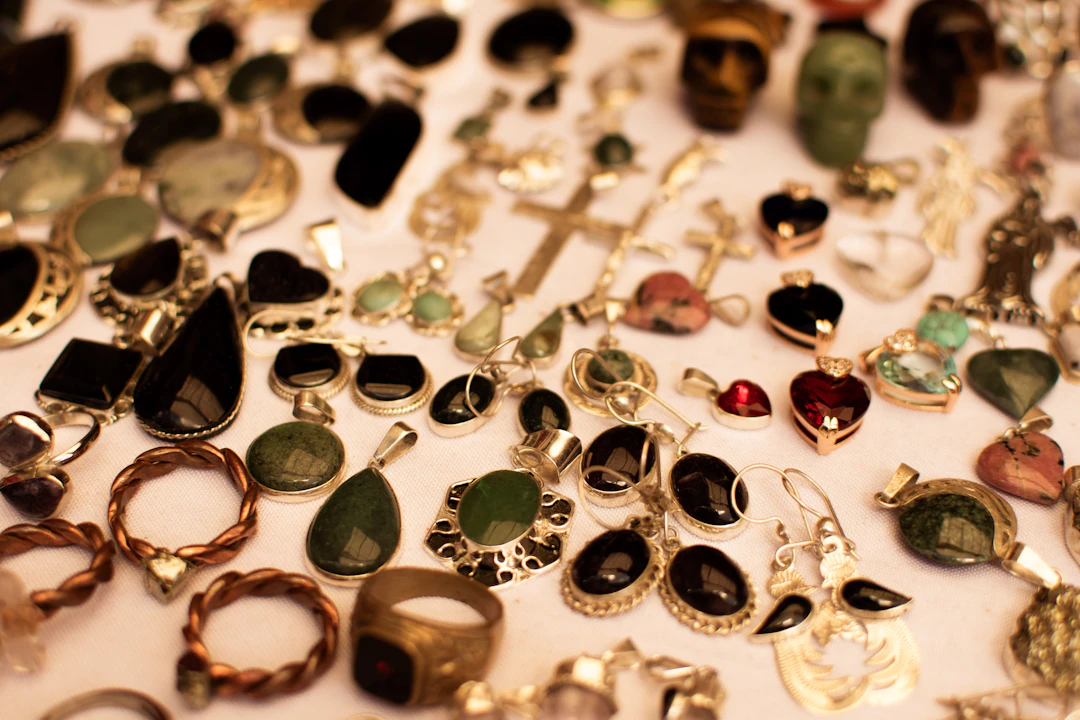
Artisans often work with a variety of materials, from metals like silver and gold to unconventional choices like metal dice and resin. These artists draw inspiration from nature, history, and personal anecdotes, weaving stories and emotions into their creations.
Today, many artisans use technology alongside traditional techniques. The incorporation of methods such as 3D printing allows for greater customization, offering endless possibilities for creativity while still maintaining the handcrafted essence.
The Modern Revival: Sustainability and Ethical Considerations
In recent years, there has been a resounding shift towards sustainable practices in the jewelry industry. Consumers have become more conscious of the environmental and ethical implications of their purchases. This has led to a resurgence in the popularity of handcrafted jewelry.
Artisans today prioritizing ethical sourcing of materials, focusing on recycled metals and ethically sourced gemstones. The rise of eco-friendly practices has breathed new life into the community of craftsmen and women, presenting a fantastic opportunity for those looking to appreciate jewelry with a story.
Moreover, handcrafted jewelry often comes with a story behind each piece. For example, many artisans create glass bangles or resin bangles not just for beauty but as a reflection of their cultural heritage and practices. This trend appeals to the modern consumer who values authenticity and sustainability.
Handcrafted Jewelry in the Digital Age
The internet revolution has transformed the landscape for jewelry artisans. Platforms such as Etsy and social media have made it easier than ever for artisans to showcase their creations on a global scale. Consumers can now shop for unique handcrafted items from the comfort of their homes, gaining access to a world of creativity.
Wix stores have emerged as powerful tools for craftsmen to reach their audience effectively. A well-designed website allows artisans to narrate their stories, share behind-the-scenes processes, and highlight the meaning behind their pieces. This connects customers more deeply with the items they choose to wear or gift.
Why Choose Handcrafted Jewelry?
Handcrafted jewelry offers several benefits that differentiate it from mass-produced alternatives:
Unique Designs: Each piece is made with care, ensuring that it stands out and is one-of-a-kind.
Quality Craftsmanship: Artisans tend to focus on quality over quantity, leading to durable and exquisite pieces.
Storytelling: Each item comes with a narrative, connecting the wearer to the artisan's journey.
Ethical Sourcing: Many artisans prioritize sustainability and ethical practices in their creation processes.
Support Small Businesses: Purchasing handcrafted items helps support local artisans and small companies.
The rise of handcrafted jewelry is also an affirmation of individuality. In an age where fast fashion dominates, handcrafted pieces allow wearers to express their unique styles confidently and consciously. Wearing something that is unique, like a letter k necklace silver, adds a personal touch that mass-produced jewelry can’t replicate.
The Future of Handcrafted Jewelry
As we look to the future, the handcrafted jewelry movement appears promising. With increasing consumer awareness around sustainability and the importance of supporting artisans, handcrafted pieces will likely gain even more popularity. The blending of traditional techniques with modern technology allows for greater potential in innovation and creativity.
Moreover, the sense of community surrounding handcrafted jewelry continues to grow, with artisans collaborating and sharing their crafts through podcasts, video tutorials, and workshops. This fosters an environment of shared knowledge and inspiration that is vital for keeping the artistry alive.
The Allure of Personalization
Personalization is becoming a cornerstone of the jewelry industry. Customization options not only appeal to individual tastes but also create a lasting bond between the artisan and the customer. This trend is particularly prevalent in handcrafted jewelry, where pieces can be tailored to reflect the wearer's personality or commemorate significant milestones.
Whether it's an engraved message on a necklace or a specially designed charm bracelet to celebrate family ties, the options for personalization are limitless. For instance, a unique pearl necklace can be crafted with a specific charm added, allowing the owner to keep their cherished memories close to their heart.
Why You Should Choose Handcrafted Jewelry Today
In today’s fast-paced world, choosing handcrafted jewelry is an antidote to the mass production mentality that often overshadows personalized craft. It is a way of valuing individuality, supporting artisans, and investing in quality pieces that are truly meaningful. Whether you are searching for a statement piece, a thoughtful gift, or a personal treasure, handcrafted jewelry provides a variety of distinct options that ordinary products simply cannot match.
In essence, the journey of handcrafted jewelry reflects a timeline filled with cultural richness, artistic evolution, and personal expression. As we continue to cherish these beautiful pieces, we also celebrate the artisans who bring them to life, making each item a treasured masterpiece.
Embark on your own journey and explore the exquisite world of handcrafted jewelry—where tradition meets individuality, sustainability embraces creativity, and every piece tells a story waiting to be shared.
FAQs
What is the history of handcrafted jewelry?
Handcrafted jewelry has a rich history that dates back to around 25,000 BC, during the Upper Paleolithic period, where early accessories were made from natural materials such as shells, bones, and stones.
How has the craftsmanship of jewelry evolved over time?
With advancements in metallurgy, particularly during the Bronze Age, artisans began using metals like gold, silver, and bronze, allowing for more intricate designs and the creation of pieces that symbolized wealth and status.
What cultural significance does handcrafted jewelry hold?
Handcrafted jewelry reflects the values, beliefs, and social structures of various cultures. It has played roles in rituals, symbolism, and individual expression throughout history.
Why should consumers choose handcrafted jewelry today?
Consumers should choose handcrafted jewelry for its unique designs, quality craftsmanship, ethical sourcing, and the personal stories behind each piece, supporting local artisans and small businesses.
How has technology influenced the creation of handcrafted jewelry?
Technology, such as 3D printing, has allowed artisans to incorporate modern techniques alongside traditional methods, enabling greater customization and creativity in handcrafted jewelry.

Comments