Supporting Ethical Practices in Handcrafted Jewelry


Overview
Support ethical practices in handcrafted jewelry to promote sustainability and empower artisans. Choose unique, quality pieces that reflect artistry and culture while making informed consumer choices. Embrace the movement for a more sustainable future in fashion.
Contents
In an age where consumer awareness is at an all-time high, supporting ethical practices in handcrafted jewelry has become essential for conscious consumers. The rise of handcrafted jewelry signals a shift towards valuing artistry and sustainable methods of production. Understanding why and how we can support these initiatives helps us make informed choices while also looking stylish, whether it's with a letter k necklace silver or chic glass bangles.
The Beauty Behind Handcrafted Jewelry
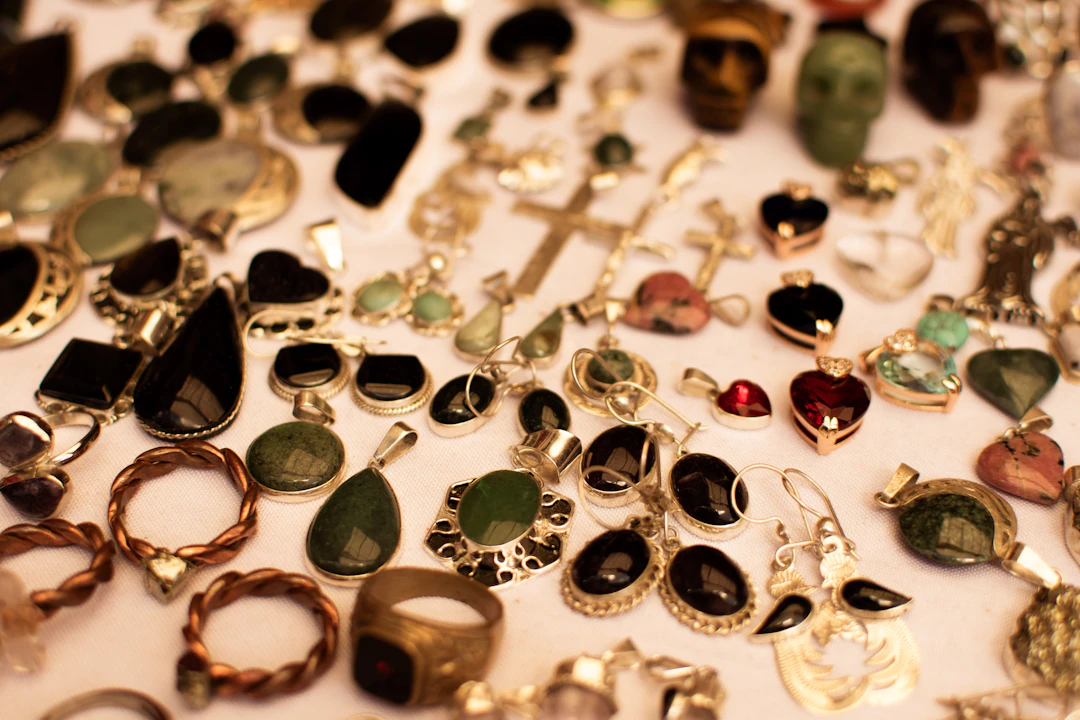
Handcrafted jewelry is more than just an accessory; it is a representation of culture, skill, and commitment to ethical practices. Each piece of jewelry tells a story and carries unique craftsmanship that mass-produced pieces cannot match. Emphasizing quality over quantity, handcrafted items promote sustainable economic development and skilled artisans, which leads to thriving local communities.
For example, consider stunning creations like multi-layer pearl necklaces, which embody both elegance and ethical craftsmanship. Investing in handcrafted jewelry means participating in an economy that values integrity and artistry over cheap, mass-produced alternatives.
The Importance of Sustainable Practices
Supporting ethical practices in jewelry production goes hand in hand with sustainability. Many artisans use recycled and reclaimed materials, creating beautiful pieces without contributing to the depletion of natural resources. By opting for handcrafted jewelry, consumers help reduce waste and environmental damage.
Understanding Sustainable Materials
Ethically-sourced materials play a significant role in sustainable jewelry production. Here are some materials used in crafting handcrafted pieces:
Recycled metals: This includes repurposed silver, gold, and other materials, which reduce the need for mining.
Organic gemstones: Stones that are sourced ethically, ensuring fair treatment of workers and minimal environmental impact.
Natural pearls: Quality natural pearls create timeless pieces like necklaces while supporting sustainable practices.
Vegan materials: Increasingly used in the production of jewelry, ensuring no animal products are used.
When you choose jewelry like resin bangles or metal dice crafted from recycled materials, you contribute to a circular economy that promotes sustainability and reduces harm to the environment.
The Social Impact of Supporting Artisans
Engaging with local artisans and small businesses directly impacts their livelihoods. Many of these creators maintain traditional methods passed down through generations, preserving cultural heritage and skills. The economic support they receive can empower communities, allowing them to thrive rather than merely survive.
The Power of Consumer Choices
Every purchase we make sends a message about the values we hold. By choosing handcrafted jewelry, you communicate your support for ethical production practices that transcend mere monetary transactions. Your preference for items like a vintage pearl necklace or beautiful glass bangles signals to artisans that their craftsmanship matters, reinforcing the importance of ethical practices.
The Trend of Ethical Jewelry
Ethical jewelry is not just a trend; it is becoming a staple in the fashion industry. Consumers are increasingly aware of the impact of their choices on the environment and the people involved in the production process. By choosing handcrafted pieces, you can confidently showcase your style while promoting mindful consumerism.
How to Identify Ethical Jewelry Brands
As you navigate the market, you may wonder how to identify ethical jewelry brands. Here are some tips to help you make informed decisions:
Research: Take time to read about the brand's production processes, materials, and ethical commitments.
Transparency: Ethical brands are open about their practices, showing you where and how their products are made.
Certifications: Look for third-party certifications that indicate sustainable and ethical practices.
Reviews: Customer reviews often provide insight into a brand's reliability and ethical footprint.
Creating a Lasting Relationship with Jewelry
Investing in handcrafted pieces allows for a deeper connection to your jewelry. Every item, from a letter k necklace silver to a classic pearl necklace, becomes more meaningful when you know the story behind its creation. This connection can lead to more thoughtful gifting experiences, ensuring that any piece of jewelry shared with loved ones carries a special sentiment.
For those looking to expand their collection, consider starting with versatile pieces. The affordable handcrafted pieces can serve as the foundation for a stunning jewelry wardrobe that celebrates culture and craftsmanship.
Care Tips for Handcrafted Jewelry
Once you invest in handcrafted jewelry, it’s essential to care for it properly to maintain its beauty and longevity. Here are some practical care tips:
Store jewelry in a cool, dry place to prevent tarnish and damage.
Clean your items regularly with a soft cloth to remove any dirt or oils.
Avoid exposing jewelry to chemicals, especially during cleaning or swimming.
Consider following specific tips for maintaining unique materials such as pearls and resin.
For further insights on jewelry maintenance, refer to caring for your affordable handcrafted jewelry tips.
Embracing the Future of Jewelry
The future of jewelry lies in ethical production, sustainable practices, and supporting local artisans. As consumers, we have the power to influence positive changes in the industry by choosing handcrafted items that reflect our values and aesthetics. With each purchase, whether it’s a playful set of glass bangles or a striking letter k necklace silver, we stand for more than just style – we endorse artistry that respects both people and the planet.
As we embrace this movement, let’s do our part in encouraging brands that prioritize ethical practices, sustainable materials, and community support. Informing ourselves and choosing thoughtfully designed handcrafted jewelry ensures a brighter, more sustainable future for artisans and consumers alike.
As you explore collections, remember, investing in genuine artistry not only elevates your style but also supports worthy approaches to beauty and craftsmanship.
Explore these ethically crafted jewelry options to enhance your collection. Multi-Layer Pearl Statement Necklace Elegant Long Beaded Chain Jewelry and Natural Pearl Necklace Fashion Vintage Elegant Versatile Multilayer Chokers for.
Related Products
Multi-Layer Pearl Statement Necklace Elegant Long Beaded Chain Jewelry - $85.00 - Add a splash of timeless glam to your outfit with these stunning multi-layered pearls. Whether you're heading to a fancy wedding or just spicing up y...
Natural Pearl Necklace Fashion Vintage Elegant Versatile Multilayer Chokers for - $28.30 - Elevate your style with our Natural Pearl Necklace Fashion Vintage Elegant Versatile Multilayer Chokers, exclusively available at Treasures House. Th...
New Vintage Statement Colorful Irregular Resin Acrylic Bangles For Women - $16.05 - Discover the exquisite charm of our New Vintage Statement Colorful Irregular Resin Acrylic Bangles for Women at Treasures House. Crafted with impecca...
FAQs
What is the significance of supporting ethical practices in handcrafted jewelry?
Supporting ethical practices in handcrafted jewelry is essential for conscious consumers, as it values artistry, sustainable production methods, and promotes skilled artisans and local communities.
How does handcrafted jewelry differ from mass-produced jewelry?
Handcrafted jewelry represents unique craftsmanship and cultural artistry, while mass-produced jewelry often lacks personal stories and quality, focusing on quantity over individual artistry.
What materials are commonly used in sustainable jewelry production?
Sustainable jewelry often uses recycled metals, organic gemstones, natural pearls, and vegan materials, contributing to reduced environmental impact and promoting ethical sourcing.
How can consumers identify ethical jewelry brands?
Consumers can identify ethical jewelry brands by researching their production processes, looking for transparency, checking for third-party certifications, and reading customer reviews.
What are some care tips for maintaining handcrafted jewelry?
To maintain handcrafted jewelry, store it in a cool, dry place, clean regularly with a soft cloth, avoid exposure to chemicals, and follow specific care tips for unique materials.

Comments