From Concept to Creation: The Handcrafted Jewelry Design Process

Overview
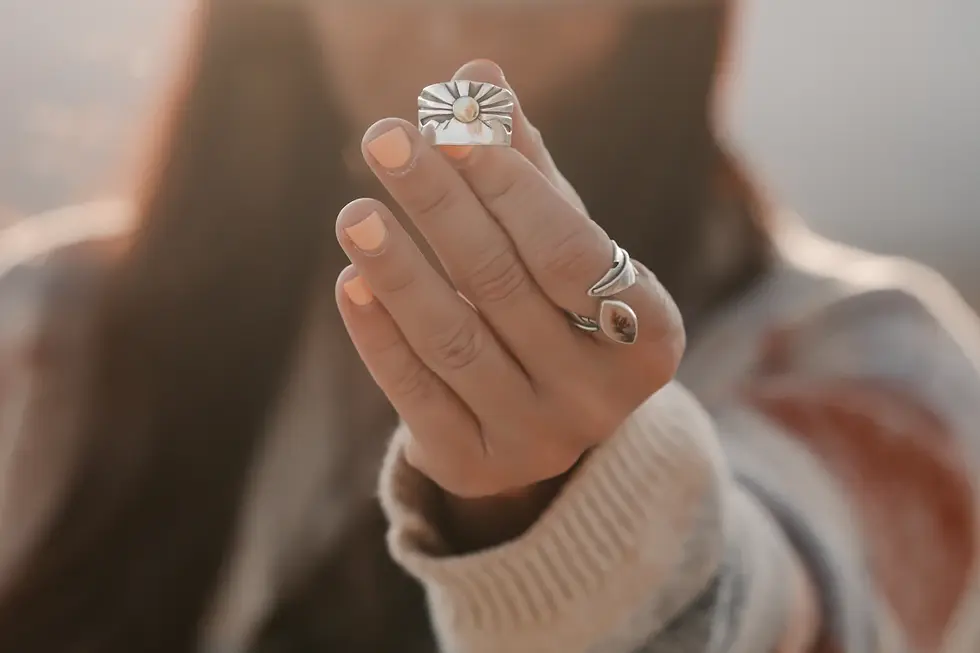
Handcrafted jewelry offers a unique charm that reflects the artisan's creativity and emotions. The design process involves stages of inspiration, sketching, material selection, prototyping, and finishing touches, culminating in a personal connection with customers. Effective marketing highlights the story behind each piece, fostering community and loyalty. Embracing trends and sharing expertise can enhance growth, making handcrafted jewelry not just an accessory, but a meaningful expression of art and individuality.
Contents
Handcrafted jewelry has a unique charm that mass-produced pieces simply can’t replicate. The journey from concept to creation is not only about crafting a beautiful piece; it’s an emotional adventure that reflects the ideas, aesthetics, and passions of the artisan. In today’s blog post, we will delve into the intricate process behind handcrafted jewelry design, showcasing the various stages and shedding light on popular items like the letter k necklace silver, pearl necklace, metal dice, glass bangles, and resin bangles.
The Inspiration Phase
Every great piece of jewelry begins with inspiration. This phase is crucial as it determines the essence of the jewelry piece. Inspiration can come from various sources including nature, architecture, art, or even personal experiences. For instance, the swirling shapes of ocean waves might inspire a magnificent pair of glass bangles, while a sentimental story could lead to creating a personalized letter k necklace silver.
During this phase, designers often sketch ideas, collect materials, and even create mood boards to visualize their project. This preparation is essential as it lays the groundwork upon which the jewelry will be built.
Sketching the Design
Once the inspiration is solidified, the next step is to sketch the design. This is a pivotal moment in the handcrafted jewelry design process. It allows the artist to translate their vision into something tangible. Designers sketch several variations, playing with shapes, sizes, and styles. A skilled designer can visualize a pearl necklace or a cluster of resin bangles and decide how the components will come together seamlessly.
Shape: The outline plays a critical role in how the final piece will look.
Size: Proportions are essential to ensuring that every part complements the other.
Materials: Choosing the right materials enriches the visual and tactile qualities of the jewelry.
Selecting the Materials
Material selection is one of the most exciting aspects of jewelry design. The choice can define the piece not only aesthetically but also in terms of durability and functionality. Jewelry can be made from a wide variety of materials, including metals, stones, and even mixed media.
For example, a metal dice might be incorporated into a pendant that adds a touch of whimsy to an everyday outfit, or lustrous pearls can elevate a necklace’s elegance. The designer needs to consider how these materials will interact, both visually and physically. Will they harmonize or contrast? This decision impacts the final look and feel of the jewelry piece.
Creating the Prototype
After finalizing the sketches and materials, it's time to create a prototype. This stage is where artistry meets craftsmanship. The designer begins shaping the materials, using techniques and tools specific to their craft. Whether soldering metal components for that letter k necklace silver or stringing pearls for a delicate pearl necklace, this stage breathes life into the initial sketches.
Creating a prototype allows the designer to test the design, making adjustments as necessary. This iterative process is crucial; it ensures that the piece not only looks good on paper but also is comfortable and practical for daily wear. This might include minor adjustments to improve the balance of a set of glass bangles or refining the closure mechanism on a necklace to enhance usability.
Finishing Touches
The final touches can make or break a piece of jewelry. In this stage, artisans add details such as polishing, texturing, or even engraving. Every painstaking effort adds uniqueness to the handcrafted piece. For instance, a hand-brushed finish on a letter k necklace silver can give it an artisanal feel, while a smooth, glossy finish on resin bangles can make them look sleek and modern.
This is also the stage where quality checks happen. The designer ensures that all components are securely attached and functioning properly. A well-finished piece embodies the spirit of craftsmanship and conveys the designer's story to the wearer.
Marketing Your Handcrafted Jewelry
Once the piece is completed, it’s time for marketing. Handcrafted jewelry prides itself on uniqueness, and this is a strong selling point. Utilize various platforms to showcase the beauty and story behind each piece. Write engaging descriptions that tell customers about the inspiration, materials, and techniques used. When marketing distinctive products like metal dice jewelry or glass bangles, focus on what makes them stand out from the crowd.
Social media platforms like Instagram and Pinterest are visually driven, making them ideal for showcasing handcrafted designs. High-quality photos that highlight the intricate details and craftsmanship will attract attention. Additionally, creating engaging content around the creative process can entice customers, drawing them into the world of artistry behind each jewelry piece.
Building a Personal Connection
One of the most rewarding aspects of handcrafted jewelry is the personal connection it fosters between the designer and the customer. Including a story or personal narrative behind the pieces can resonate deeply with prospective buyers. This connection can transform a simple purchase into a cherished memory.
Encourage customers to share their own stories related to their purchases. This interaction creates a community around your brand, fostering loyalty and encouraging repeat business. It’s not uncommon for clients to come back looking for additional pieces, whether it’s another pearl necklace to match their new dress or a set of resin bangles to complete their accessory collection.
Embracing Change and Evolution in Design
The world of jewelry design is constantly evolving. Trends come and go, and it’s essential for artisans to adapt and experiment with new ideas while still holding onto their personal touch. Keep an eye out for the latest movements in fashion and design. For instance, sustainable practices and eco-friendly materials are becoming increasingly popular among consumers.
Being open to change and willing to innovate can open up new avenues for creativity and growth. A successful designer often finds inspiration in the shift and integrates unique elements from trends into their collections. This might involve incorporating recycled materials, experimenting with asymmetrical designs, or exploring new color palettes.
Sharing Your Expertise
In addition to the act of creating jewelry, sharing knowledge is an integral part of being an artisan. Hosting workshops or tutorials can help cultivate a community of budding designers and interested customers. By sharing your process, from sketching to the final piece, you demystify the handcrafted jewelry market and foster appreciation for this art form.
Consider creating content such as blog posts or video tutorials on topics like how to layer glass bangles, style a pearl necklace, or care for metal jewelry. This content not only boosts SEO for your website but also positions you as an expert in your field, drawing in potential customers who value craftsmanship.
The Joy of Handcrafted Jewelry
Handcrafted jewelry is more than just an accessory; it’s a manifestation of creativity and emotion. From the inspiration phase to the creation and marketing process, each stage plays a vital role in bringing unique pieces to life. Whether it’s a delicately designed pearl necklace or a funky pair of resin bangles, every item tells a story.
As you explore the world of handcrafted jewelry, remember that each piece is a journey. The love, passion, and craftsmanship that go into creating these pieces resonate with those who wear them. By sharing this story, you not only attract customers but also build lasting relationships based on shared appreciation for artistry and individuality.
So, embark on your own journey—whether as a creator or an admirer—and revel in the beauty of handcrafted jewelry. Each piece, including innovations like the metal dice pendants or the timeless letter k necklace silver, invites you to connect with art on a personal level, enriching your life and style.
FAQs
What is the first step in the handcrafted jewelry design process?
The first step is the inspiration phase, where designers draw ideas from various sources like nature, architecture, art, or personal experiences.
How do designers finalize their ideas before creating jewelry?
Designers sketch several variations of their concepts, experimenting with shapes, sizes, and materials during the sketching phase.
What role does material selection play in jewelry design?
Material selection is crucial as it affects the aesthetic, durability, and functionality of the piece, helping to define its overall look.
What happens during the prototype creation stage?
In this stage, the designer begins shaping materials based on their sketches, creating a working model to test the design and make necessary adjustments.
How can artisans build a personal connection with customers?
Artisans can build connections by sharing the stories behind their pieces, encouraging customers to share their own experiences related to the jewelry.


Comments