Behind the Scenes: A Day in the Life of a Jewelry Maker


Overview
Explore the intricate and rewarding process of jewelry making, from morning routines and design sketches to hands-on crafting and community engagement. Discover how jewelry makers blend creativity with craftsmanship to produce unique pieces that tell stories and resonate with customers.
Contents
Welcome to the fascinating world of jewelry making! While it may seem glamorous from the outside, creating beautiful pieces like the pearl necklace or intricate resin bangles involves hard work, creativity, and a whole lot of passion. This blog will walk you through a typical day in the life of a jewelry maker, unveiling the intricate processes and inspiring moments that come together to create stunning handcrafted pieces.
The Morning Routine: Setting the Stage
A day begins early for a jewelry maker. The smell of freshly brewed coffee fills the air as creative juices start to flow. Morning routines are essential for setting the right mindset. The jewelry creator usually takes some time to review ideas sketched the night before and arrange their workspace. This includes gathering materials like metals, pearls, and stones, and ensuring tools and equipment are ready for the day’s projects.
Creating the Design: Where Imagination Takes Flight
Once the workspace is set, it’s time to dive into the design process. This step is crucial as it involves sketching out new concepts and refining them into tangible ideas. Jewelry makers often draw inspiration from various sources, including nature, fashion trends, and cultural elements.
Sketching new ideas
Researching trends in the industry
Analyzing customer feedback to cater to preferences
Drawing designs is often accompanied by listening to music or podcasts, creating a flow that balances both creativity and productivity. In this phase, some may sketch designs for specific items like a elegant pearl necklace set to prepare for upcoming events, while others might focus on playful items like metal dice for more quirky creations.
The Hands-On Crafting: Turning Vision into Reality
After solidifying designs, it’s time to bring them to life. Crafting jewelry is an artisanal skill that requires patience and precision. Typical materials include silver, pearls, and acrylic components. The jewelry maker might start by cutting, shaping, and assembling the components required for a piece.
The crafting phase is where the tools become the artist's best friends. Depending on the project, tools such as pliers, soldering equipment, and various molds come into play. This part of the day can be physically demanding but highly rewarding as one watches a piece of art take form.
A Focus on Craftsmanship
Jewelry makers are often staunch advocates for quality craftsmanship. They believe in creating pieces that not only look good but also stand the test of time. Understanding the craftsmanship behind affordable jewelry is key to creating valuable items. As a maker, knowing how to balance quality with affordability is a skill that is honed over years.
If you're curious about the craftsmanship that goes into these beautiful pieces, check out Understanding the Craftsmanship Behind Handcrafted Jewelry. It provides insights into the valuable techniques that bring these works of art to life.
The Finishing Touches: Polishing and Quality Control
As the day progresses, the focus shifts to the final stages of jewelry making—polishing and quality control. Polishing ensures pieces have that stunning shine, while quality control involves checking for any imperfections. Every detail matters when it comes to creating a piece that people will cherish.
Jewelry makers often have specific standards they adhere to. This is especially crucial for items like glass bangles and resin bangles, which require meticulous attention to ensure they maintain their artistic qualities while being durable. The end goal is to deliver products that are genuine reflections of talent and hard work.
Engaging with the Community: Building Relationships
A significant part of a jewelry maker's life is engagement with the community. This can take numerous forms, from attending craft fairs to participating in workshops. Many artisans thrive on feedback from customers and peers, and building relationships is vital for fostering growth in their craft.
Participating in local events also helps jewelry makers understand market trends and customer preferences better. Taking part in such communities often encourages creativity while giving makers insights into what customers are currently interested in, such as unique items like a letter k necklace in silver.
The Business Side: Marketing and Selling Jewelry
Aside from the creative process, managing a jewelry business involves many administrative tasks. Marketing plays a crucial role in connecting with customers. Social media platforms serve as vital tools for showcasing new collections and engaging with followers. It’s essential to have an online presence, as that is where a significant part of the market lies today.
Wix is a favored platform among many jewelry makers looking to establish an online store. With user-friendly design options, it simplifies showcasing new pieces and managing sales effectively. Creating captivating content that resonates with the audience is key to driving engagement and increasing sales. Not to mention that strong SEO practices are essential for boosting visibility in search engines.
Exploring Trends
Staying updated with the latest trends can help in curating a collection that appeals to a wider audience. For example, the burgeoning interest in sustainable and affordable jewelry reflects a societal shift towards environmentally conscious choices. Learning about these trends can help artisans decide which products to promote and which audiences to target.
For more on this topic, visit Discover The Hottest Trends In Affordable Handcrafted Jewelry to explore the evolving landscape of jewelry making.
An Array of Unique Creations
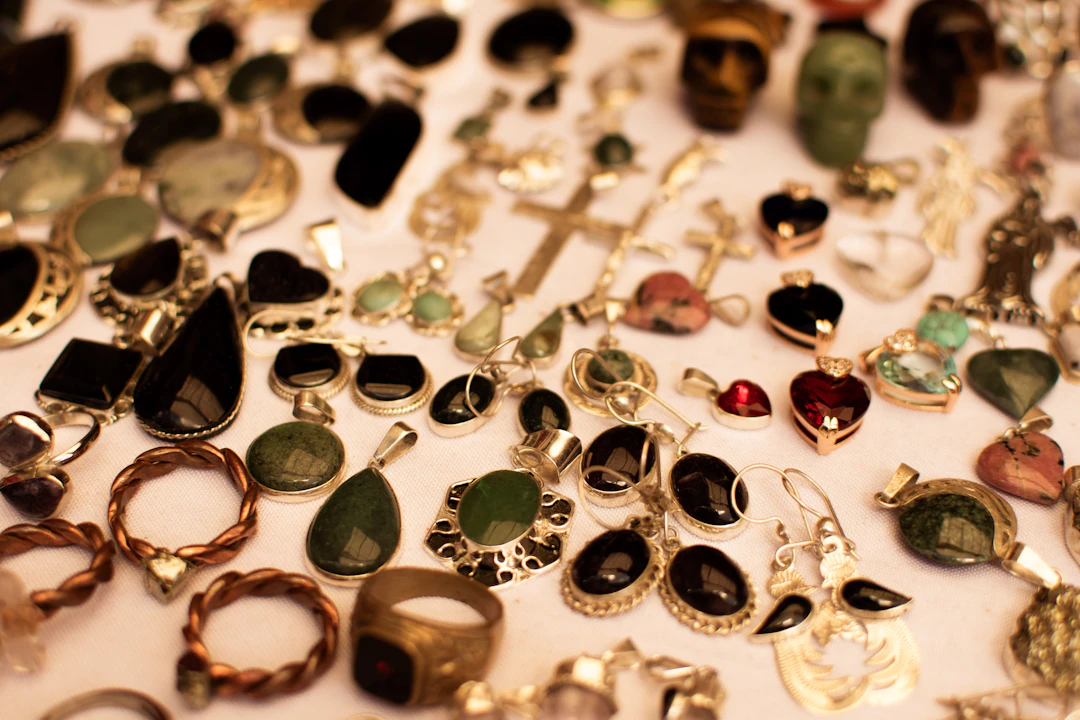
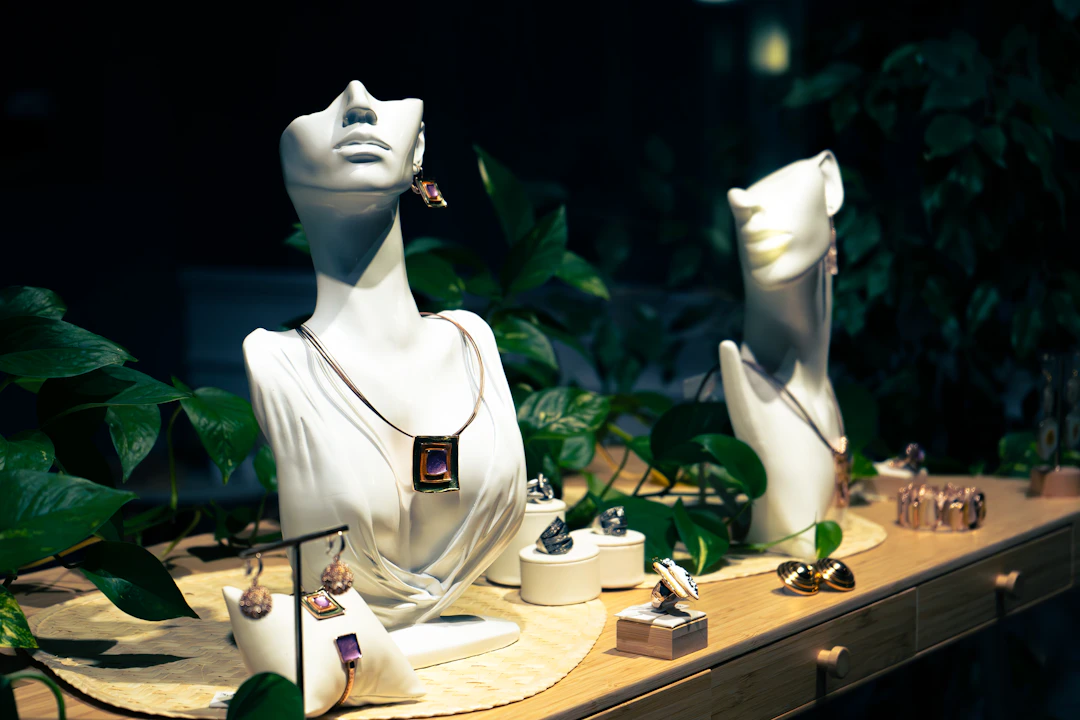
Jewelry makers often specialize in different types of jewelry. Some may focus on elegant designs like classic necklaces and bracelets, while others prefer to experiment with contemporary pieces. Beyond the pearl necklace or the resin bangles, manufacturers explore diverse formats – for instance, creating distinctive metal dice jewelry elements or charming glass bangles.
The diversity in craftsmanship adds a personalized touch to each piece, making them more appealing to buyers seeking something unique. By offering an array of creations, artisans can cater to various customers, enhancing the visibility and sales potential of their jewelry collections.
Every Piece Tells a Story
Every jewelry piece carries a narrative. It encapsulates the dedication, creativity, and emotion that goes into creating it. Jewelry makers often intertwine personal experiences or cultural stories into their designs, allowing customers to connect with the item on a deeper level.
For many customers, owning handcrafted jewelry is about more than just aesthetics. It’s about the stories and the journeys that the pieces represent. Learn more about the narratives behind these stunning creations in Unveiling Stories: The Narrative Behind Your Handcrafted Jewelry.
The Joy of Creation: A Rewarding Journey
The life of a jewelry maker is undoubtedly fulfilling. From sketching initial designs to forging meaningful connections with customers, every step in the process is rooted in passion for creativity. As they bring each piece to life, the joy of crafting unique jewelry is a rewarding experience that resonates with makers and customers alike.
Ultimately, a jewelry maker's day is filled with creativity, craftsmanship, and connection. Whether it's designing breathtaking pieces like a pearl necklace or unique resin bangles, the journey from imagination to physical creation is both an art and a science. As we push forward into the ever-evolving world of jewelry making, it’s essential to continue supporting artisans who pour their heart and soul into each piece they produce. Remember, purchasing handcrafted jewelry isn’t merely about adornment; it’s about celebrating creativity and dedication!
Explore these beautiful jewelry pieces to enhance your collection. Pearl Droplet Jewelry Set for Wedding and Pearl Necklace Set Women's Wedding Necklace Set Alloy.
Related Products
Pearl Droplet Jewelry Set for Wedding - $31.00 - DescriptionElevate your wedding day elegance with the Pearl Droplet Jewelry Set from Treasures House, designed to complement your bridal beauty with...
Pearl Necklace Set Women's Wedding Necklace Set Alloy - $27.23 - Elevate your bridal elegance with the Pearl Necklace Set Women's Wedding Necklace Set Alloy from Treasures House. This exquisite set embodies sophist...
Vintage Punk Beige Brown Coffee Thick Resin Acrylic Smudging Bangles Geometric I - $16.30 - Discover the timeless allure of our Vintage Punk Beige Brown Coffee Thick Resin Acrylic Smudging Bangles Geometric I, exclusively at Treasures House....
FAQs
What is a typical day like for a jewelry maker?
A typical day for a jewelry maker involves early mornings, setting up their workspace, sketching designs, crafting pieces, polishing them, and engaging with the community. Each part of the day is filled with creativity, craftsmanship, and connection.
What materials do jewelry makers commonly use?
Jewelry makers commonly use materials such as metals, pearls, stones, and acrylic components, depending on the type of jewelry they are creating.
How do jewelry makers stay updated with trends?
Jewelry makers stay updated with trends by researching industry news, attending craft fairs, and analyzing customer feedback to cater to preferences and ensure their designs are relevant.
What role does craftsmanship play in jewelry making?
Craftsmanship is crucial in jewelry making as it ensures that pieces are not only beautiful but also durable and of high quality. Jewelry makers focus on the intricate details to deliver products that reflect their skills.
How do jewelry makers engage with their community?
Jewelry makers engage with their community by participating in local events, workshops, and craft fairs, which help them understand market trends and build relationships with customers and peers.

Comments